
Tree sap on your car can be a real nuisance. It looks harmless, but when it hardens, it can damage your paint and clear coat. The good news is that with the right approach, you can remove sap without harming your car’s finish. Acting quickly and using safe techniques is key to keeping your vehicle looking its best.
What Is Tree Sap and Why Is It a Problem?
Tree sap is a viscous substance produced by trees to transport nutrients and water. While harmless in nature, it can be highly damaging to cars. When sap lands on paint, it hardens over time. This hardened sap can etch into the clear coat, creating permanent marks. Even vehicles with ceramic coatings are not fully immune, although the damage occurs more slowly.
The most commonly affected areas are flat surfaces like the roof, hood, and trunk, as these areas collect more sap from overhead trees. Windshield wipers can also smear sap on windows, reducing visibility and creating a safety hazard.
Step-by-Step Guide to Safely Remove Tree Sap
Step 1: Wash the Area
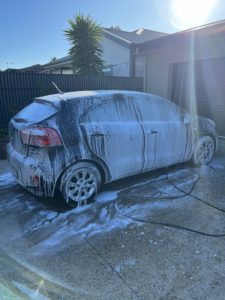
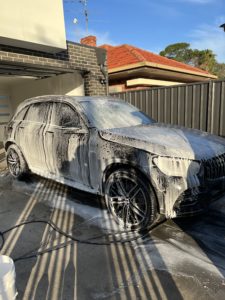
Begin by thoroughly cleaning your car to remove dirt, dust, and debris. Use automotive shampoo and warm water with a microfiber towel.
This prevents scratching during the sap removal process and ensures the solvent can penetrate the sap more effectively. Pay extra attention to the edges of the affected area where dirt may trap sap.
Step 2: Apply a Gentle Solvent
Choose a mild, paint-safe solvent such as rubbing alcohol, hand sanitizer, or a commercial sap remover. Apply a small amount to a microfiber cloth and hold it over the sap for 30–60 seconds to soften it.
Always test the solvent on a hidden area first to check for any reaction with your paint. This step is crucial for ensuring that the sap loosens without damaging the clear coat.
Step 3: Gently Rub Off the Sap
Once the sap is softened, gently rub it with the microfiber cloth in small circular motions. Avoid using too much pressure, as this can scratch the paint. For stubborn sap, repeat the process or reapply the solvent.
A plastic razor blade can be used as a final measure, but only after the sap has been softened, and always with caution to prevent paint damage.
Step 4: Clean and Protect the Surface
After removing the sap, wash the area again with car-specific soap and water to remove any remaining solvent residue. Dry thoroughly and apply a protective wax or sealant.
This restores the paint’s protective layer, enhances gloss, and reduces the likelihood of future sap sticking. Regular protection also helps prevent UV damage and minor scratches.
Advanced Methods for Stubborn Tree Sap
If the sap is old or hardened, more advanced techniques may be necessary. Using a clay bar can remove residual contaminants without damaging the paint, while also lifting dirt and other stubborn residues.
For highly persistent sap, a light polishing compound may be applied, but this should be handled carefully to avoid removing too much clear coat. Always start with the least aggressive method and work your way up. It’s also helpful to use plenty of lubrication with the clay bar or polish to minimise friction and prevent micro-scratches.
Prevention Is Better Than Cure
Preventing tree sap buildup is easier than removing it. Avoid parking under trees whenever possible, especially during warm months when sap flow increases. Using a car cover can also protect your vehicle and save time on cleaning.
Regular washing and applying a protective wax or sealant strengthens the paint surface. Additionally, applying a durable ceramic or graphene coating provides a hydrophobic layer that repels sap and makes cleaning far easier, while also protecting against UV rays and minor scratches.
Why Professional Help Can Save Your Paint
Removing tree sap incorrectly can worsen damage to your car’s paint, leaving scratches or etching. Shadz Mobile Car Detailing is here to solve this problem safely and effectively.
Professionals have the right tools, knowledge, and products to remove sap without compromising your clear coat. They can also evaluate the best follow-up protection for your paint, such as waxing or ceramic coating, ensuring your car stays glossy and protected for longer.
Conclusion
Tree sap can be a stubborn enemy for any car owner, but it does not have to damage your paint. By following careful cleaning techniques and using safe solvents, you can remove sap without harm. Preventative measures, such as avoiding tree-heavy parking spots and applying protective coatings, can save time and preserve your car’s finish. When in doubt, professional help ensures your vehicle remains flawless and protected.
FAQs
Q: Can I remove tree sap with household items?
A: Yes, rubbing alcohol or hand sanitizer can work on fresh sap, but test first and use gentle motions to avoid scratches.
Q: Is tree sap removal safe for ceramic-coated cars?
A: Yes, but even coated cars can experience etching if sap is left too long. Quick removal is always best.
Q: Can I use a pressure washer to remove sap?
A: Only if the sap is fresh. High pressure on hardened sap may scratch the paint.
Q: How often should I check for tree sap?
A: Regularly, especially after parking under trees. Prompt action prevents long-term damage.
Q: What’s the best protective solution against tree sap?
A: Wax, sealant, or ceramic/graphene coatings provide an effective barrier. These coatings repel sap and simplify cleaning.