
Driving can be unpredictable, and a dash cam is one of the easiest ways to protect yourself on the road. It records what happens around you, helps with insurance claims, and gives you peace of mind day and night. But for a dash cam to work properly, it needs neat wiring, the right placement, and a safe setup.
This guide explains everything you need to know about clean and secure mobile dash cam installations — how they work, why proper installation matters, and the key things every driver should consider.
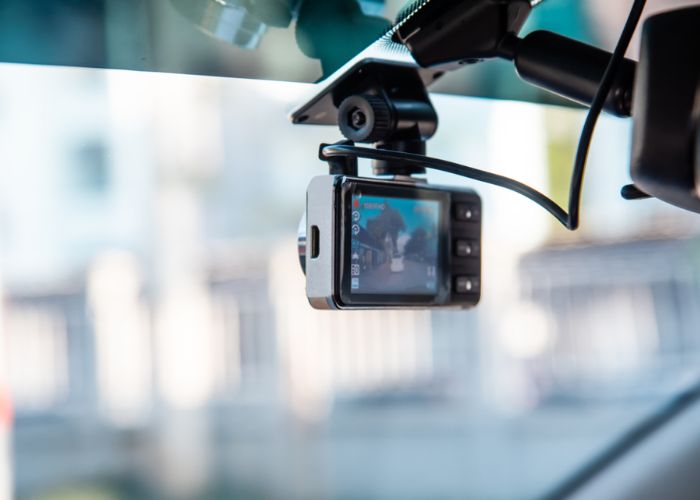
Why Dash Cams Have Become a Must-Have in Australia
A dash cam acts like an extra set of eyes that never blink. It captures every moment, even when you’re not watching.
Accidents and Insurance Claims
Footage can make a huge difference in disputes. According to the Insurance Council of Australia, dash cam evidence has helped reduce claim investigation times in many collision cases because footage clearly shows what happened. A simple clip can prove who was at fault. It can also protect you from false claims.
Hit-and-Runs and Parking Damage
Many dash cams have “parking mode.” This keeps recording even when your engine is off. That means if someone dents your door, bumps your bumper, or scrapes your car while parking, you’ll have proof.
Around 18–21% of motor insurance claims in Australia happen while vehicles are parked, often due to collisions or vandalism (RAA Insurance). A dash cam with parking mode can capture these incidents, providing evidence and protecting you from unnecessary costs.
Road Rage and Unsafe Driving
Sadly, dangerous behaviour on the road is still common. Dash cam footage gives you evidence you can hand over to authorities if needed.
Theft and Vandalism
A visible or well-placed dash cam can discourage thieves. Some even record automatically when motion is detected.
Hardwired Installations: Why They’re the Smart Choice
Many drivers think plugging a dash cam into the cigarette socket is enough. It works — but only partly.
24/7 Protection
A hardwired connection taps into your car’s fuse box. This gives the dash cam the power it needs even when the engine is off. Essentials like parking mode rely on this.
Professional installers use voltage cut-off systems to protect your battery. These systems ensure the dash cam stops drawing power when the battery gets low.
A Clean, Tidy Look
Hardwiring hides every cable behind the trims.
- No hanging cords.
- No tangled wires.
- Nothing resting over your dashboard.
Your car keeps a factory-clean appearance.
Protects Your Car’s Electronics
Modern vehicles have sensitive electrical systems. Airbags, sensors, and safety features can be affected if wiring is placed incorrectly. Professionals know which fuse to use and how to route cables safely behind the A-pillar so airbags deploy properly.
No Loose Power Source
Unlike lighter sockets, which can come loose or disconnect while driving, hardwired dash cams stay powered consistently. And you won’t lose a charging port.
The Best Dash Cam Placement Inside Your Vehicle
Placement matters more than many people think. The wrong angle or position can limit your visibility or make your footage useless.
The Ideal Spot
Experts recommend placing the dash cam:
- behind the rear-view mirror
- high in the centre of the windscreen
- out of the driver’s direct line of sight
This gives the best view of the road without blocking your vision.
Avoiding Airbags
Wiring must never interfere with curtain airbags located in the A-pillar.
This is why professional routing is crucial. Incorrect wiring could affect airbag deployment in a crash.
Keeping the Footage Clear
Make sure the lens stays clean. A bit of dust or smudging can ruin video quality. Use glass cleaner or a microfibre cloth when needed.
Mobile Installation: Why It’s So Convenient
Mobile dash cam installation has become popular because it saves you time and effort.Instead of driving to a workshop, technicians come to your home, workplace, or wherever your car is parked.
No Waiting Around
You won’t need to take time off work or sit in a waiting room. The job gets done while you continue with your day.
Flexible, Fast, and Professional
Most mobile setups take between 45 minutes and 2 hours depending on your car and whether you’re installing a single-channel or dual-channel dash cam. Every wire is hidden.
Every function is tested. And the installer shows you how everything works before they leave.
Single vs Dual Channel Dash Cams
There are two main types of dash cams:
Single Channel
Records only the front of the vehicle. Great for capturing road incidents, collisions, and forward motion.
Dual Channel
Records the front and rear. Perfect for catching tailgaters, rear-end accidents, parking damage, and reversing incidents. Rear footage is especially useful since rear-end collisions are one of the most common crash types in Australia (Source: Australian Bureau of Statistics, Road Transport Crash Data).
Essential Features to Look For in a Dash Cam
Choose a model based on your needs, not just price. Here are key features to consider:
Parking Mode: Ideal for catching vandals, hit-and-runs, or damage in car parks.
High-Resolution Recording: 1080p is good. 1440p or 4K is better for reading number plates.
Wide-Angle Lens: A 140–160 degree viewing angle captures more detail.
Night Vision: Helps record clear footage in low light or poorly lit car parks.
GPS Tracking: Shows your location and speed. This can help validate claims or disputes.
G-Sensor: Automatically saves footage when sudden impact is detected.
What Happens During a Professional Mobile Installation
Here’s what a typical installation looks like:
Step 1 – Choosing the Right Dash Cam
The installer checks your car type, your needs, and your budget. They help you pick a model that suits your driving habits.
Step 2 – Hiding the Cables
Wires are routed behind trims and safely around airbags. Everything stays hidden.
Step 3 – Hardwiring to the Fuse Box
The installer connects the camera using proper fuse taps and voltage protection.
Step 4 – Testing
They test:
- recording quality
- parking mode
- night mode
- GPS signals
- motion detection
Step 5 – Quick Walkthrough
You get shown how to:
- save clips
- change settings
- update firmware
- use parking mode
- view or export footage
Staying Legal: What Australian Drivers Must Know
Dash cams are legal in Australia.
However, there are a few rules to follow so you don’t get fined.
1. Keep the windscreen clear
Your dash cam must not block your view of the road. Each state’s road authority requires that objects on the windscreen stay outside the “critical vision area.”
2. Audio recording and privacy
If you enable audio recording, you should inform passengers. Australia’s Surveillance Devices Acts in each state outline requirements around recording private conversations.
3. No tampering with airbags or safety systems
Any wiring must stay clear of safety devices. This is a strict safety requirement.
4. Follow the manufacturer’s instructions
Incorrect mounting or wiring can void the device warranty.
How Much Does a Mobile Dash Cam Installation Cost?
Prices vary depending on:
- the type of dash cam
- single or dual channel
- the complexity of your vehicle
- additional accessories (like battery packs)
Most installations sit between $150 to $500, including professional hardwiring. More complex vehicles or luxury models may cost more.
Remember: the cheapest install isn’t always the best. Poor wiring or messy installation can lead to:
- rattling noises
- loose power
- damaged trim
- battery issues
- unsafe airbag interference
It’s worth paying for quality.
Shadz Mobile Car Detailing: Here to Solve Your Dash Cam Problems
If you want a neat, secure, and professionally hardwired dash cam installation without leaving home, Shadz Mobile Car Detailing is here to sort it out for you. We focus on clean wiring, correct placement, and a safe setup so your dash cam works the way it should from day one.
We also make sure your dash cam settings, parking mode, and power options suit your daily driving habits. And before we leave, you’ll know exactly how to use your new system without feeling overwhelmed.
Final Thoughts
A dash cam is one of the simplest ways to protect your car, your wallet, and your safety. But the installation matters just as much as the device itself.
A professional mobile installation means your wiring is tidy, your dash cam has constant and reliable power, and the unit is placed correctly for the clearest view. It also ensures the setup is safe for your vehicle and works properly in all situations.
FAQs
Q: Do dash cams drain my car battery?
A: Not when installed correctly. Hardwire kits include low-voltage protection that cuts power before the battery drops too low. This keeps your car safe.
Q: Is mobile installation as good as workshop installation?
A: Yes. As long as it’s done by an experienced technician, the quality is identical. The wiring, fuse tapping, and testing follow the same professional standards.
Q: Can I install a dash cam myself?
A: You can, but mistakes are common. Incorrect wiring can affect the fuse box, airbags, or electrical systems. A professional installer reduces all these risks.
Q: Where is the best place to mount a dash cam?
A: Behind the rear-view mirror is ideal. It gives a clear view while staying outside the main field of vision.
Q: What is the difference between a plug-in dash cam and a hardwired one?
A: A plug-in dash cam only works when the car is on. A hardwired dash cam works even when the car is off, supporting full parking protection.
Q: Do I need a rear camera?
A: A rear camera is helpful because many collisions happen from behind. It also captures parking damage, tailgating, and reversing incidents.