
A sagging headliner isn’t just unsightly—it can affect comfort and even safety. This fabric and foam layer on your car’s roof helps with insulation, noise reduction, and interior aesthetics. Over time, heat, moisture, and wear weaken the adhesive, causing it to droop.
Knowing how to fix it safely—and what to avoid—is essential. This guide covers effective repair methods, common mistakes, and tips to keep your headliner in top shape.
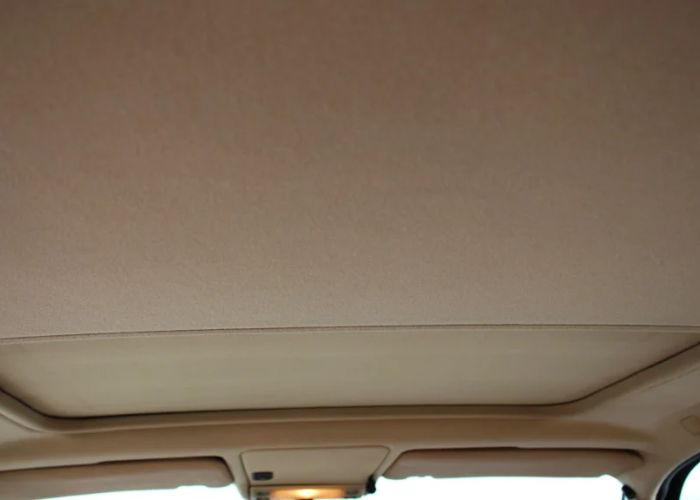
Why Headliners Sag
Sagging usually starts at the edges or where stress points like handles or trim are located. There are several main causes:
Heat and Sun Exposure: High temperatures inside the cabin soften adhesives, making the fabric lose its grip. Australian cars often face extreme sun exposure, which accelerates this breakdown. Studies show that UV light can degrade adhesives and foam, reducing their lifespan by up to 50% when exposed consistently over years.
Moisture and Leaks: Water seeping in through faulty seals or condensation can damage the foam backing, causing bubbles, wrinkles, or sagging. Moisture also encourages mould growth, which can weaken materials further.
Physical Stress: Pets, children, or passengers touching or pulling at the roof lining add strain. Even minor, repeated contact can accelerate sagging over time.
Age and Foam Deterioration: Over years, the foam backing naturally breaks down. Once it loses structure, the adhesive can no longer hold the fabric firmly.
Poor Maintenance: Ignoring minor sagging, stains, or early signs of wear reduces the chances of a long-term fix. Simple care like gentle cleaning and inspections can prevent serious damage.
Safe Methods to Fix a Sagging Headliner
For DIY repairs, preparation is essential. Remove handles, trim, or brackets and label all pieces. Peel back the sagging fabric and remove old foam and adhesive to ensure a clean surface.
Apply a high-quality automotive adhesive evenly to both the board and fabric. Press the material back in place, smoothing wrinkles as you go. Allow it to fully cure before reinstalling fixtures.
Temporary fixes like twist pins or double-sided tape may help at edges but aren’t long-term solutions. Avoid home remedies like hairspray or craft glue, which can damage the fabric or create hazards.
Steaming can soften old glue, but too much moisture may shrink the fabric or harm the foam. Work carefully in small sections for the best results.
Types of Headliner Materials and How They Affect Repairs
Not all headliners are created equal. Older cars often have a fabric layer backed with foam, while modern vehicles may include vinyl, suede, or other synthetic materials. Each type reacts differently to heat, moisture, and adhesives.
For example, foam-backed fabric is prone to sagging when the adhesive fails, while vinyl may crack or peel over time. Knowing your car’s headliner material helps you choose the correct adhesive, cleaning methods, and repair techniques. Using the wrong product can worsen the sag or cause permanent damage.
Costs and Considerations for Repairs
The cost of repairing a sagging headliner varies depending on the size of the sag, the type of material, and whether a DIY approach is possible. Small DIY fixes for edges may cost as little as $20–$50 for adhesive and supplies.
Full headliner replacement, especially for foam-backed fabric, can range from $300 to $700 for labour and materials in Australia. Investing in quality materials and proper installation ensures longevity and prevents recurring sag.
Keep in mind that attempting shortcuts, like tape or pins, may save money upfront but can lead to bigger problems later, both in safety and costs.
Mistakes to Avoid
Even well-intentioned DIY repairs can go wrong. Avoid these common errors:
- Using generic adhesives instead of automotive-grade glue.
- Skipping surface preparation—old adhesive must be removed.
- Rushing the drying and curing process.
- Ignoring early signs of damage, which makes the problem harder to fix.
- Over-relying on pins, staples, or tape as permanent solutions.
- Applying excessive steam or water that could further deteriorate the material.
Preventive Care Tips
- Park in shaded areas or use sunshades to minimise heat and UV damage.
- Keep your interior ventilated to prevent moisture buildup.
- Regularly inspect the headliner for small sagging or bubbles. Early intervention is easier and more cost-effective.
- Clean gently using soft brushes and mild upholstery cleaners. Avoid harsh chemicals that can degrade adhesives.
When to Call a Professional
Some sagging headliners require professional repair, especially if the foam has fully deteriorated or the adhesive has completely failed. Professionals have the tools and materials to replace or restore the entire lining safely.
Attempting a full repair without experience can lead to uneven surfaces, wrinkles, or further damage to the roof lining and surrounding trim. A professional can also ensure proper alignment with handles, lights, and other roof fixtures, avoiding issues that DIY fixes often create.
At Shadz Mobile Car Detailing, we can handle these issues, making your car interior look as good as new while preventing recurring sag and ensuring a long-lasting finish.
Conclusion
A sagging headliner isn’t just cosmetic; it affects comfort, safety, and even resale value. By understanding the causes, following safe repair methods, avoiding common mistakes, and practicing preventive care, you can keep your car roof lining in top shape. Early attention and proper materials are key to long-lasting results.
FAQs
Q: Can I fix a sagging headliner without removing it?
A: Yes, for minor edge sags, adhesive sprays, twist pins, or double-sided tape can work. Central sagging usually requires full removal for the best results.
Q: How long does adhesive take to dry?
A: Drying time varies by product, but most automotive adhesives need at least 12–24 hours to fully cure. Check the manufacturer’s instructions.
Q: Is it safe to use craft glue or hot glue?
A: No. These adhesives do not withstand heat or age well and can damage the fabric and foam.
Q: Will steaming the headliner help?
A: Steam can soften old glue for reapplication, but too much heat or moisture can shrink fabric or harm foam backing.
Q: How can I prevent sagging in the future?
A: Regular inspections, gentle cleaning, parking in shade, and proper ventilation significantly reduce risk.